
Frank Lloyd Wright, Architect
The Eppstein Residence, 1950
$2,100,000
$2,100,000

Frank Lloyd Wright, Architect
The Eppstein Residence, 1950
$2,100,000
Description
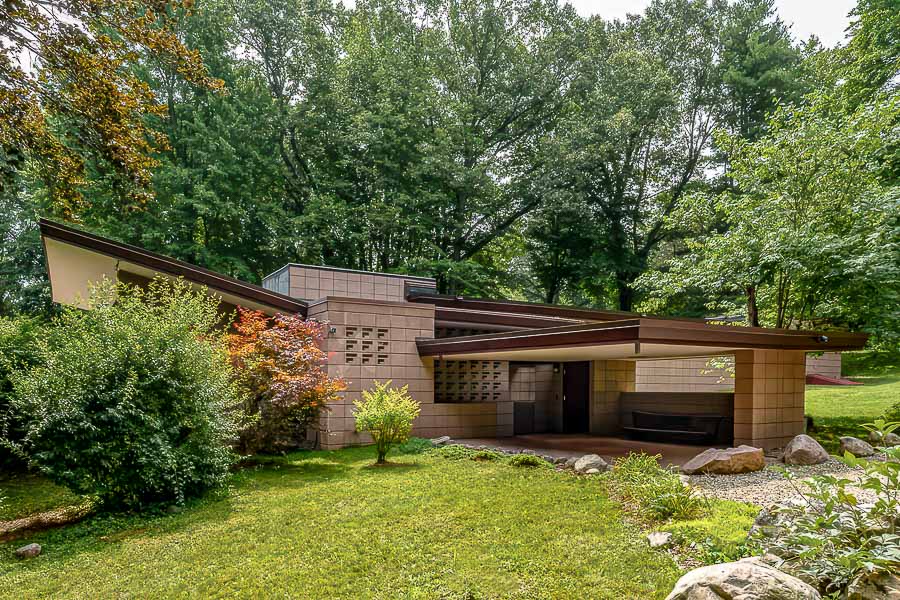
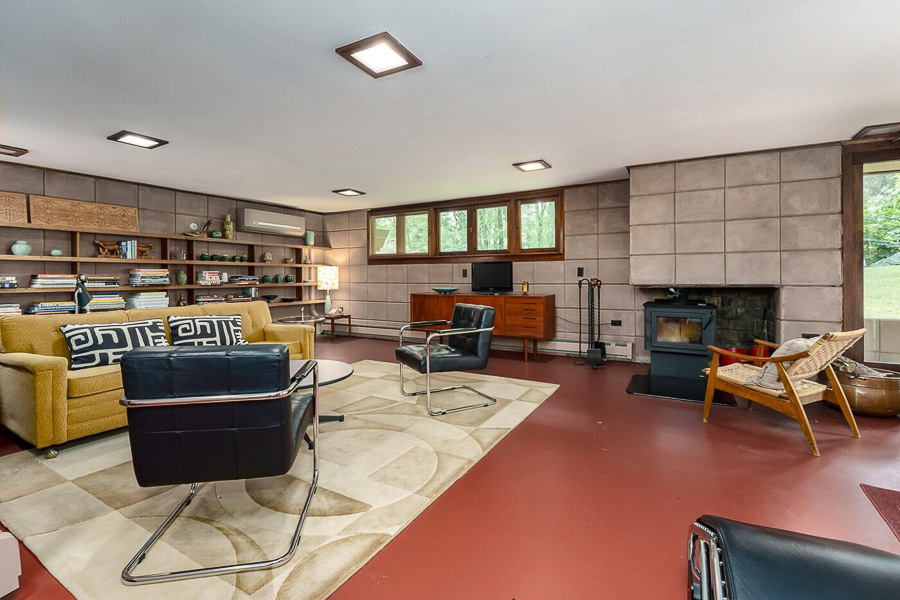
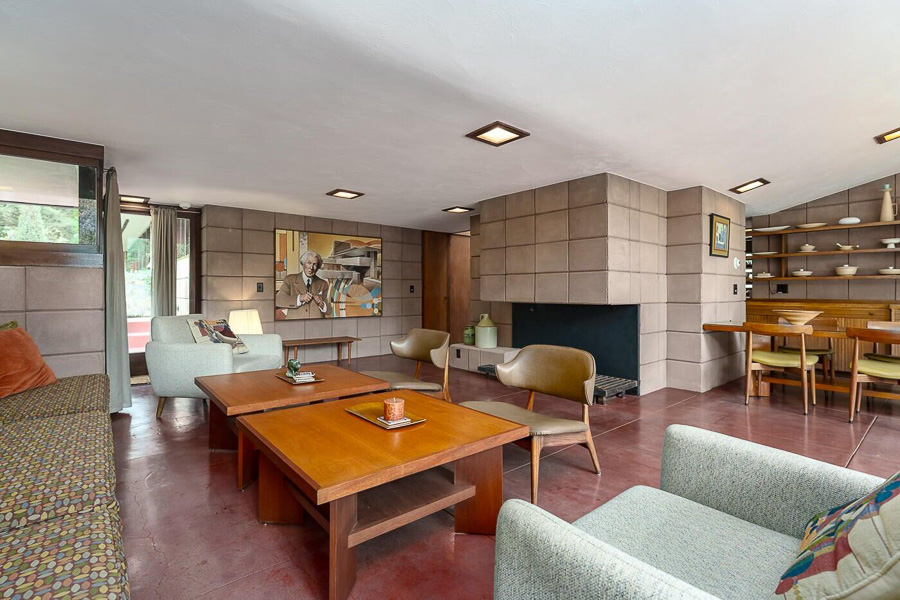
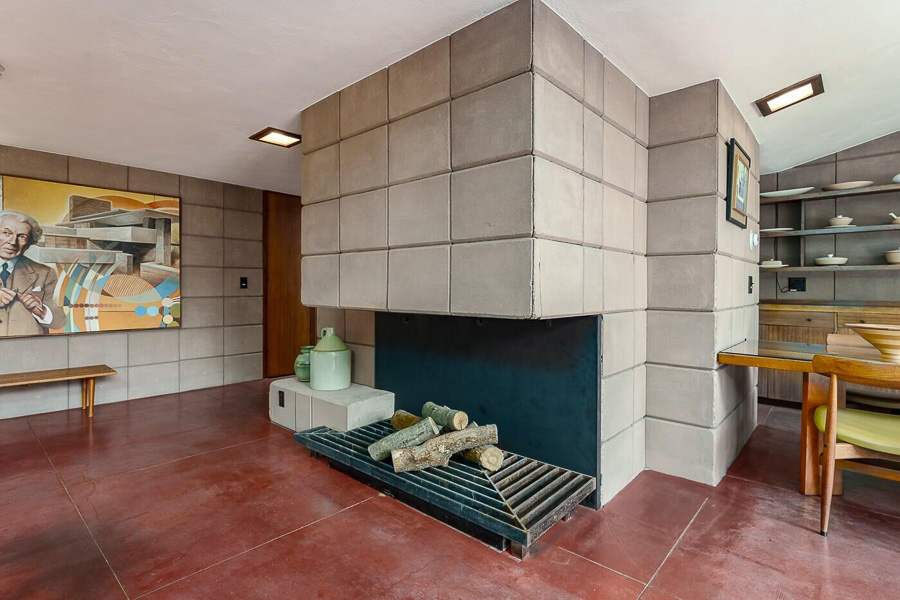
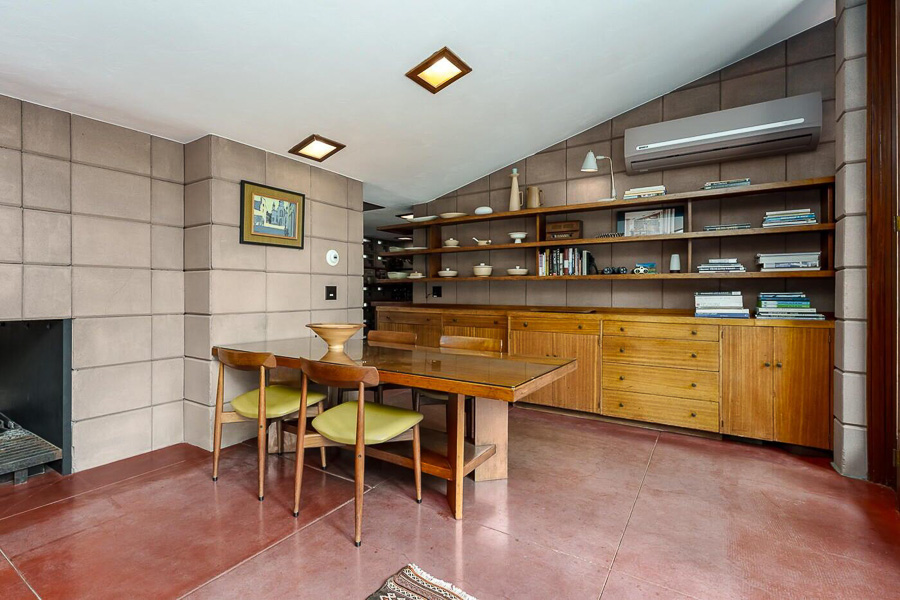
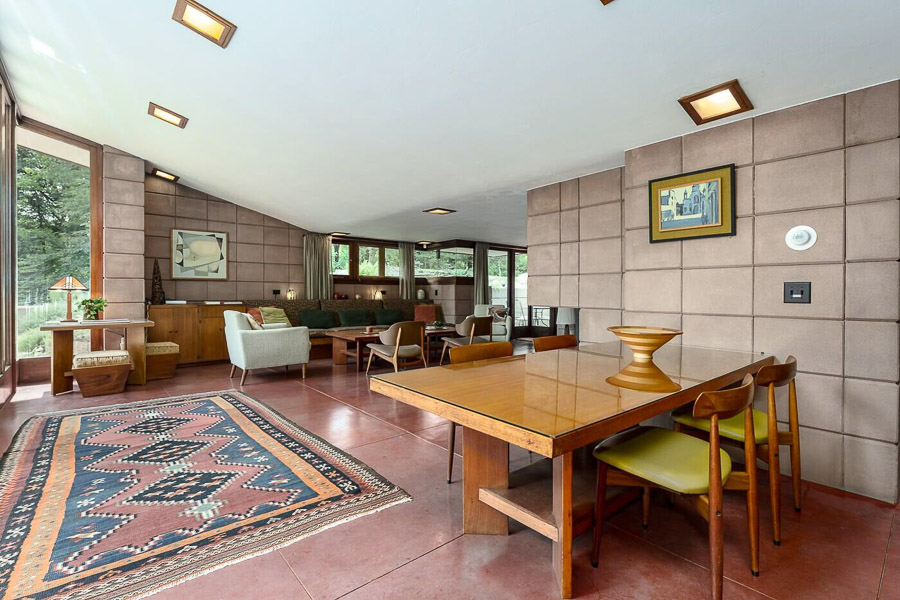
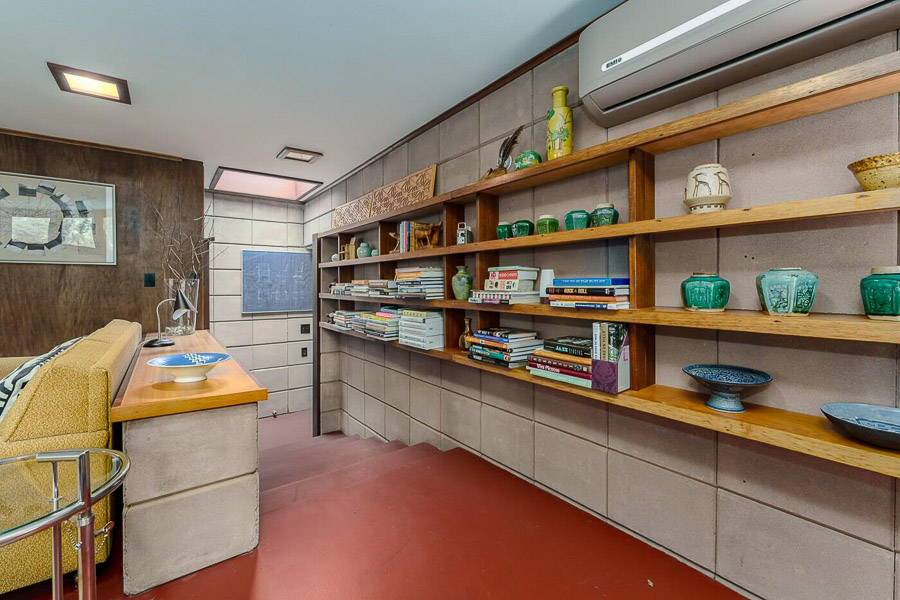
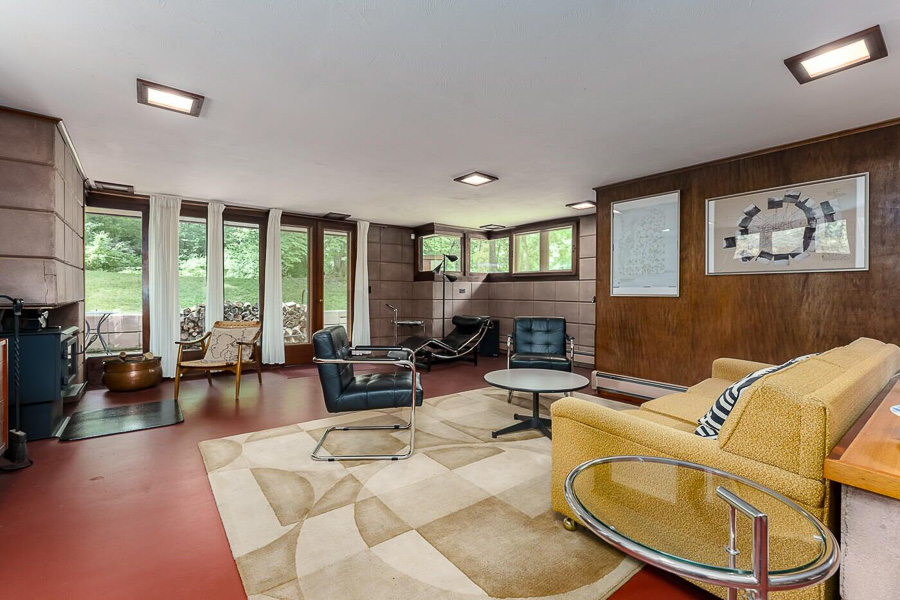
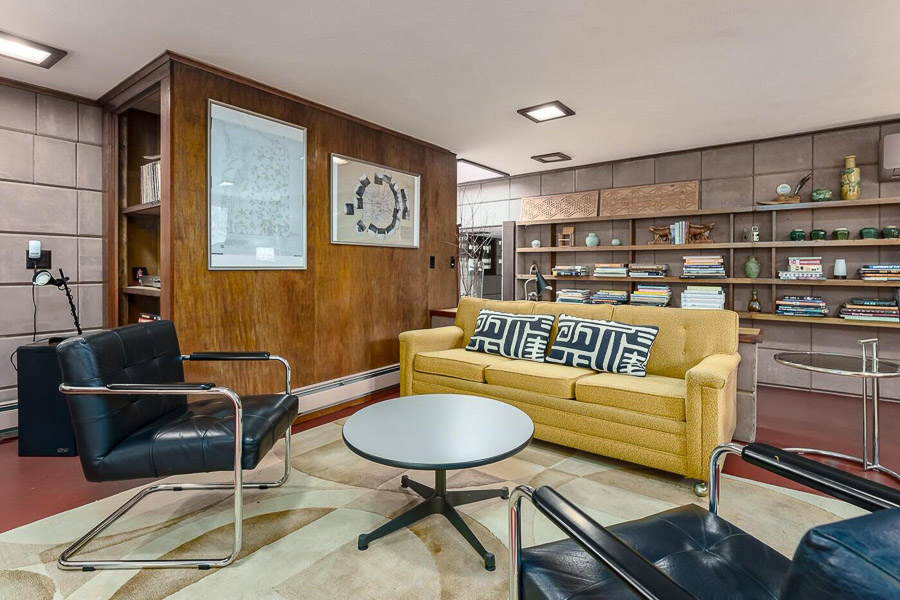
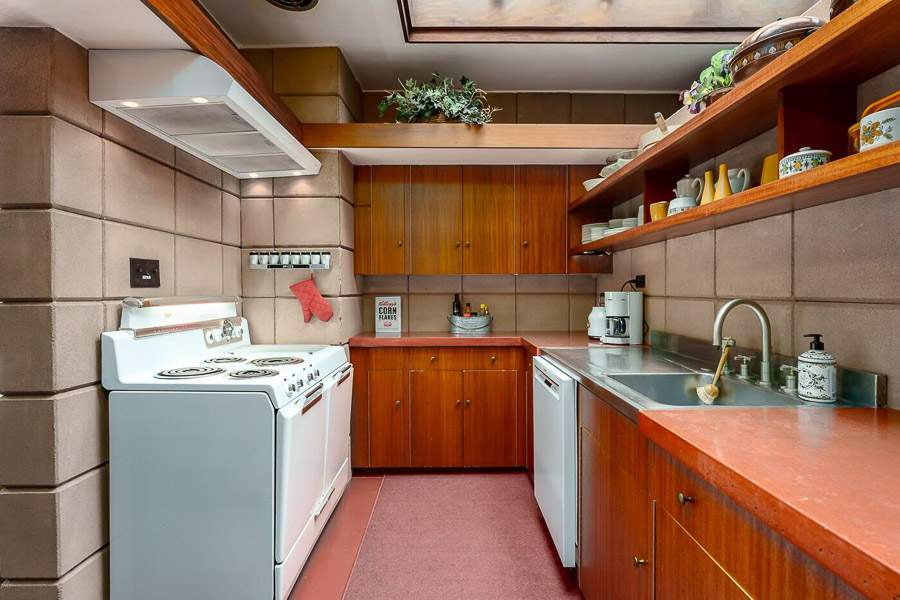
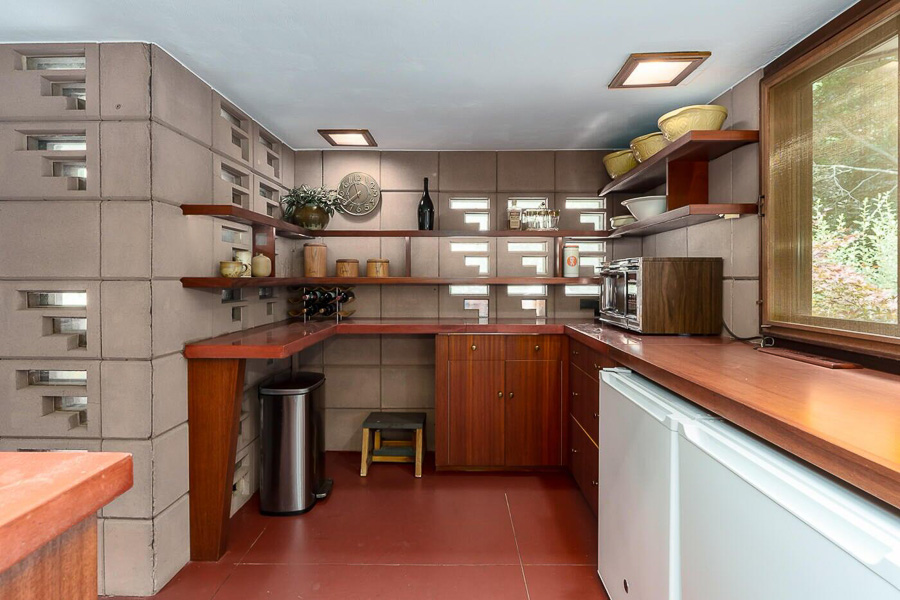
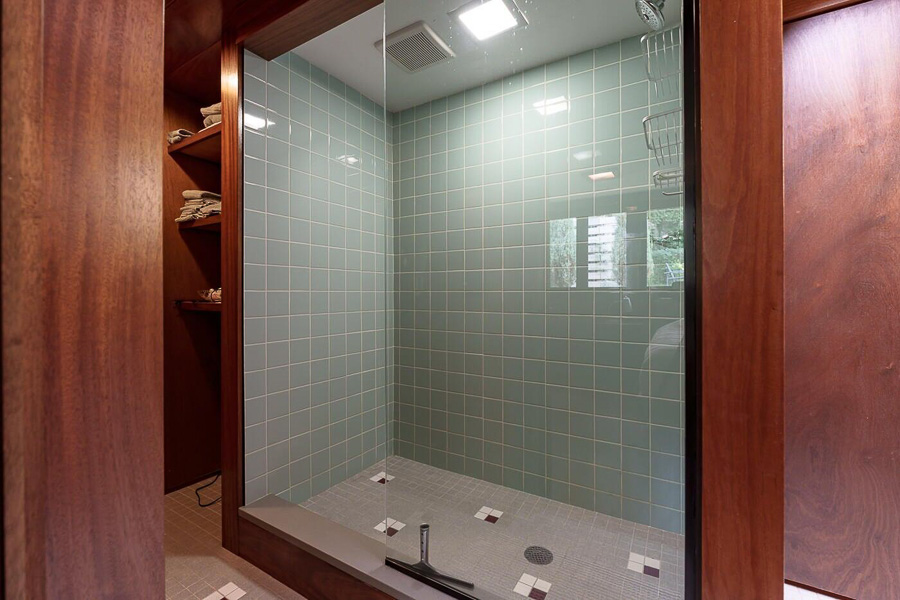
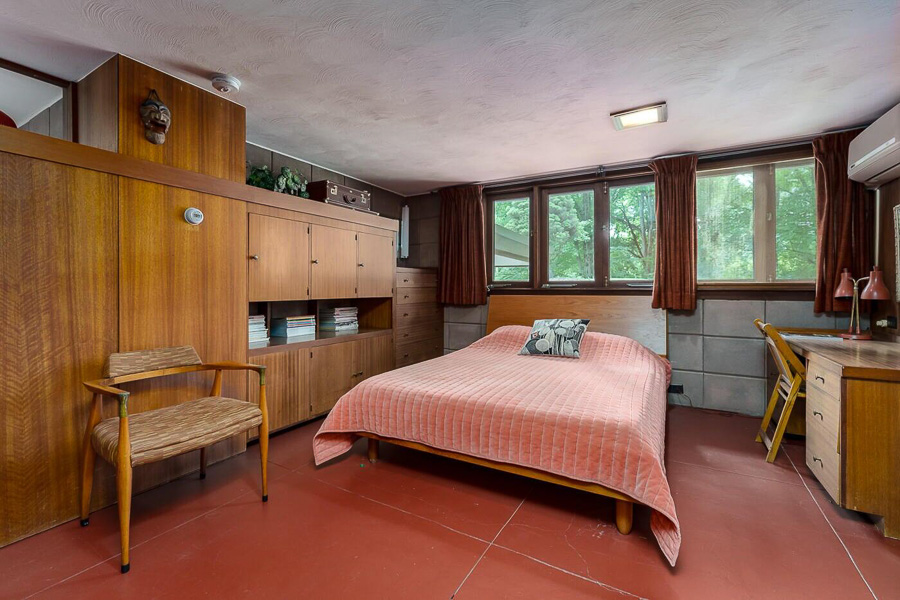
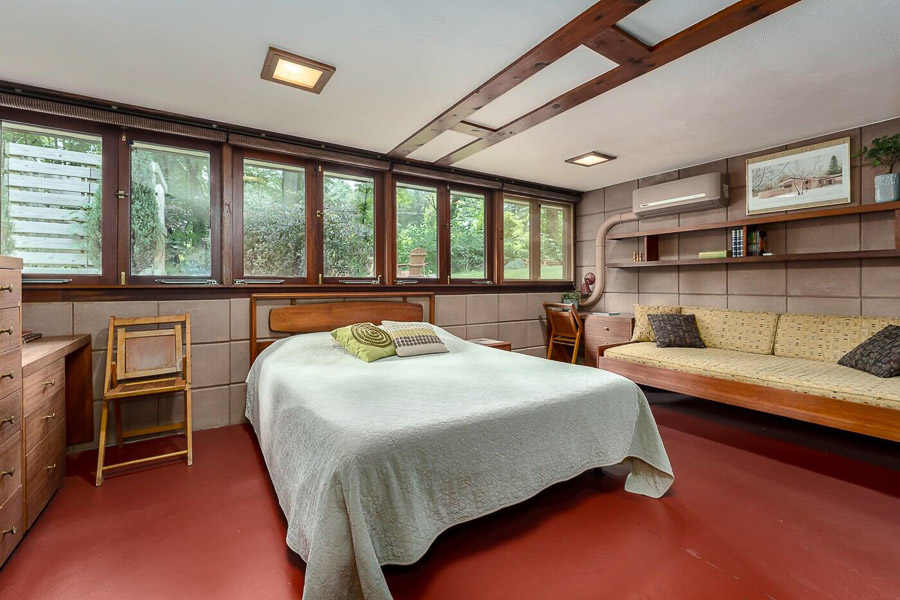
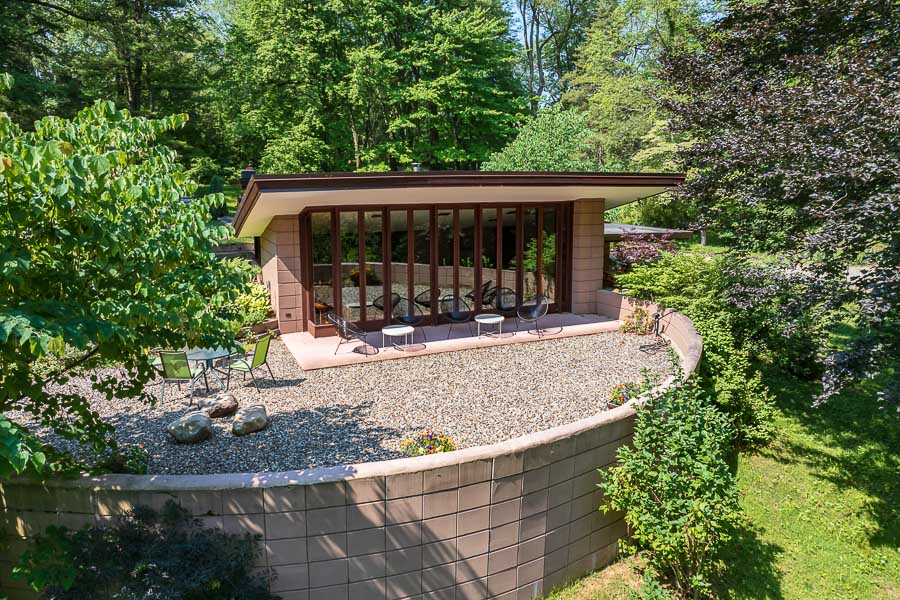
Crafted under Wright’s watchful eye by the original homeowners, the Eppstein residence has been lovingly restored to its former glory, maintaining the original footprint while embracing modern conveniences. Seamlessly blending nature with design, this work of art exemplifies Wright’s distinctive Usonian style.
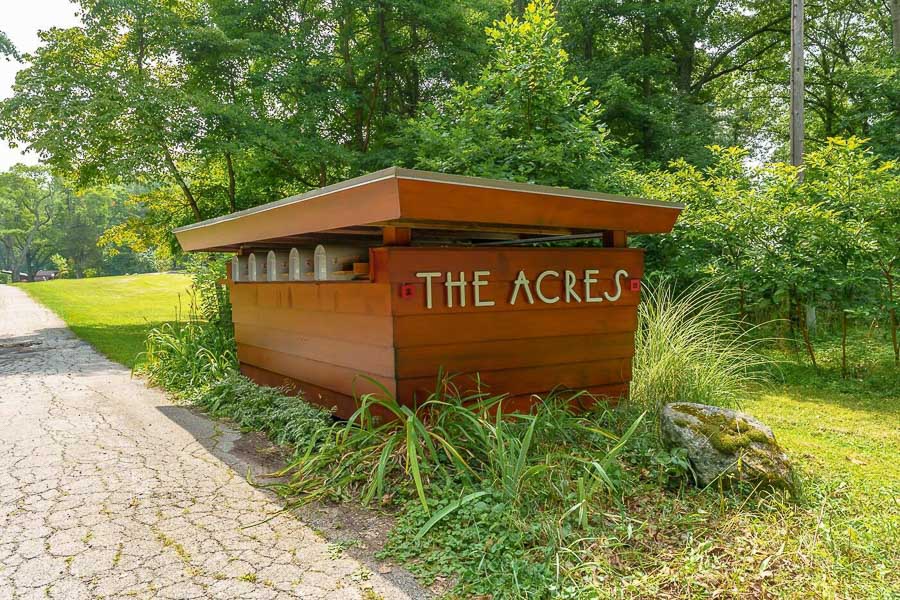
You could own a piece of architectural history within the Galesburg Country Homes community, affectionately known as “The Acres.” Situated on a serene 70-acre landscape, adorned with mature trees and rolling hills, the Eppstein residence is a testament to Frank Lloyd Wright’s historical legacy.
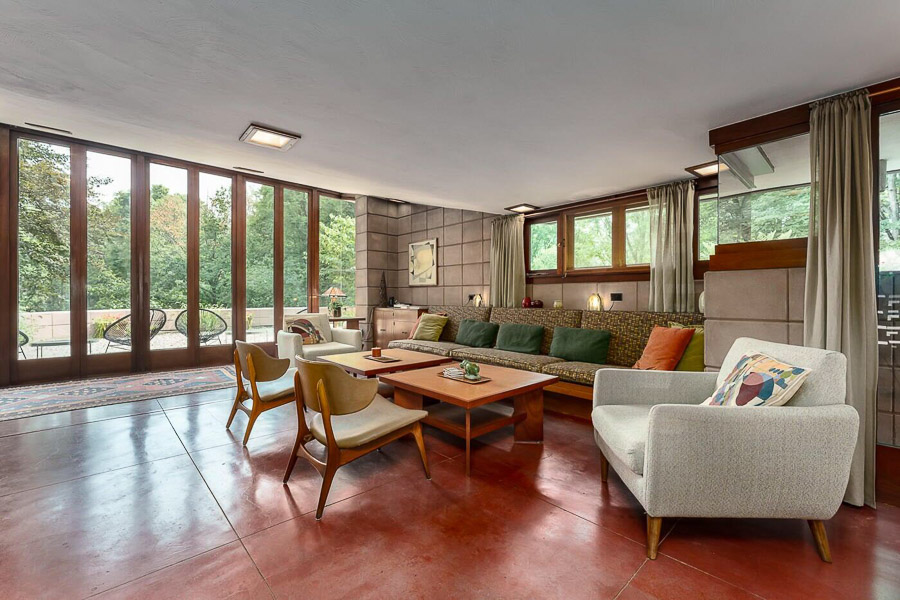
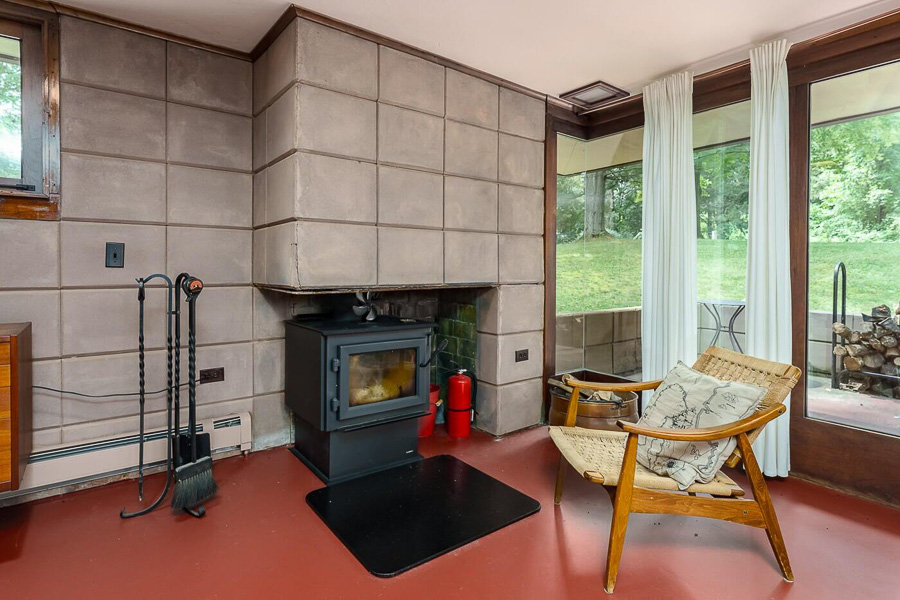
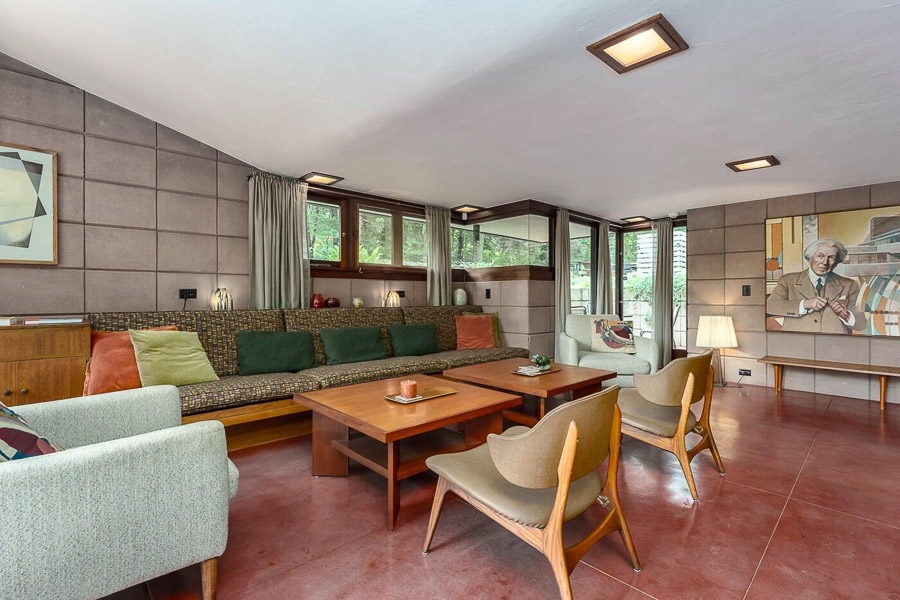
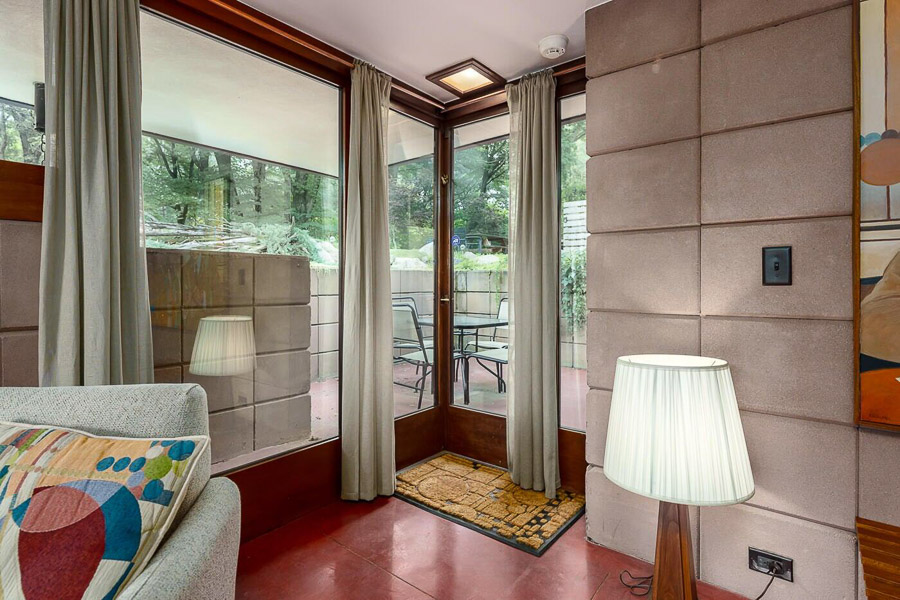
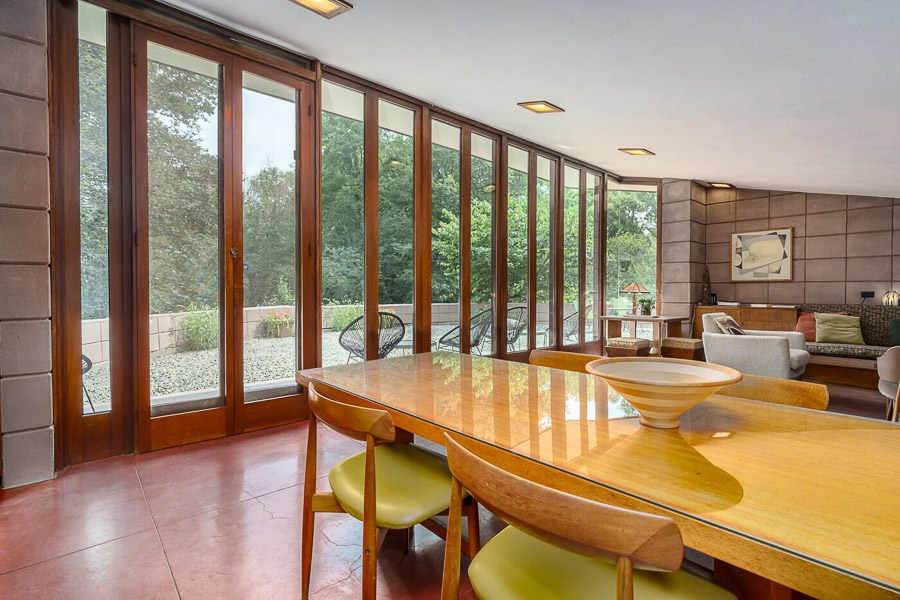
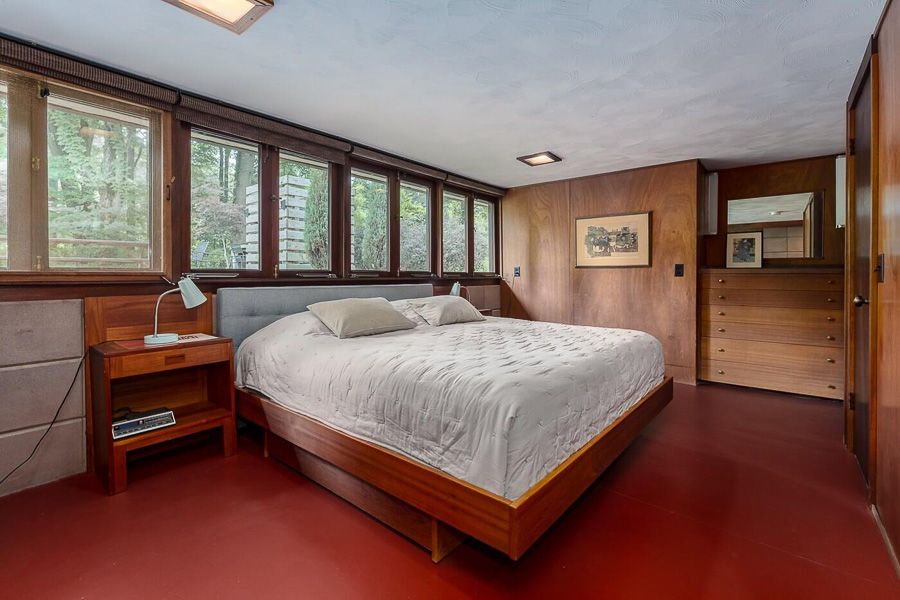
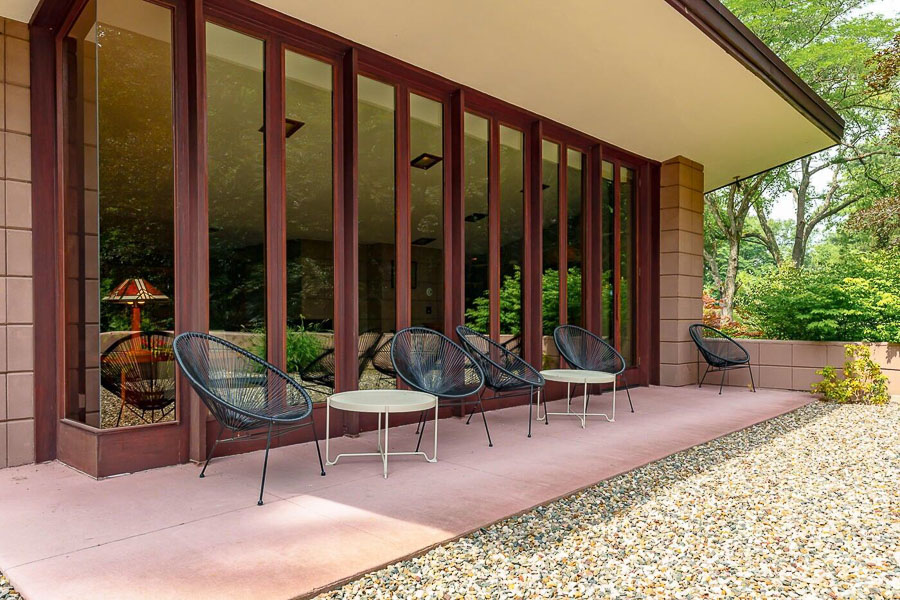
The 1953 Eppstein House is a symphony of design and nature. Its expansive windows flawlessly merge indoor and outdoor living, offering breathtaking views of meadows and wildflowers just as the Usonian design was intended to do so. The Eppstein residence is 5 star rated Airbnb with over 440 stays making it an excellent income property.
An essay with details on the restoration of the Eppstein Residence and the FLW house on an adjacent property:
Custodians of Usonia: How Marika Broere and Tony Hillebrandt Revived Two Frank Lloyd Wright Houses
There are owners, and then there are custodians. In the rarefied world of historic architecture—where houses are less possessions than cultural artifacts—the distinction matters enormously. For the Pratt House and the Eppstein House, two neighboring Frank Lloyd Wright-designed residences in the wooded enclave known as The Acres, that role fell to Marika Broere and Tony Hillebrandt: a couple whose dedication, resources, and stamina helped rescue a pair of endangered masterpieces from decline.
Their story begins not in Michigan, but in admiration. Long before acquiring either property, Broere and Hillebrandt had developed a deep appreciation for architecture, and for Wright in particular. They visited his celebrated buildings, studied his philosophy, and came to understand that his greatest works were not monuments but homes—places where landscape, materials, and daily life became inseparable.
When they first encountered the Eppstein House, they saw both beauty and urgency. The home had suffered years of neglect, yet beneath the wear remained Wright’s unmistakable hand: strong horizontal lines, warm natural materials, carefully orchestrated sightlines, and a profound connection to the surrounding land.
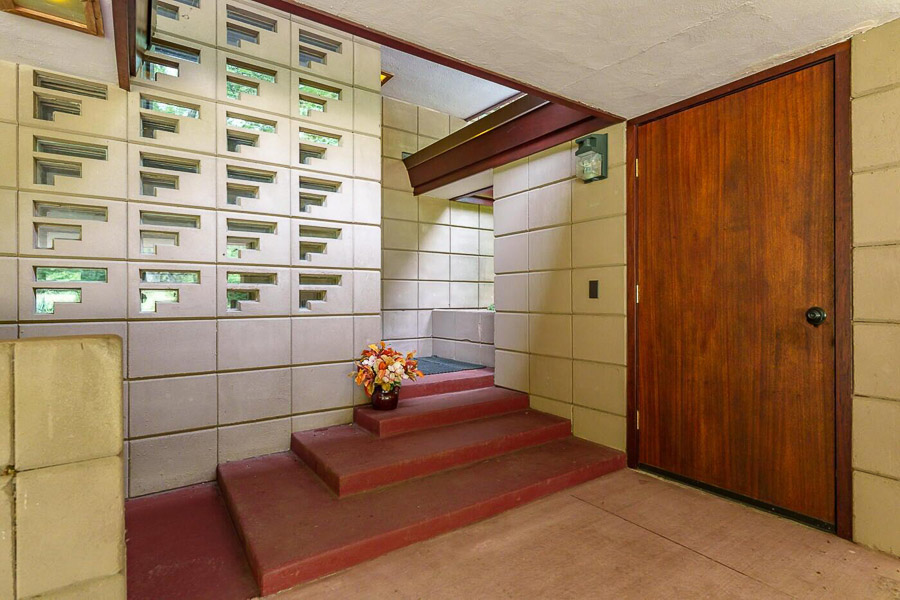
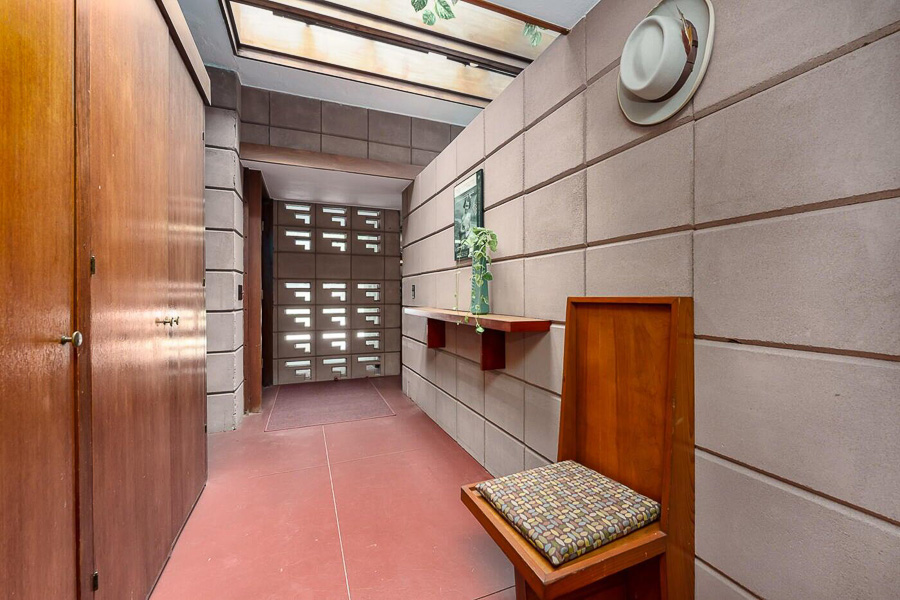
The Eppstein House, completed in the early 1950s, belongs to Wright’s mature Usonian period. These houses were his vision for modern American living—efficient, elegant, democratic homes scaled for real families rather than grand estates. At Eppstein, that philosophy appears in low-slung geometry, expansive glass, richly detailed woodwork, and terraces that erase the line between indoors and out. It is a house that seems to grow from the earth rather than sit upon it.
Broere and Hillebrandt undertook a restoration defined by seriousness and restraint. This extremely costly project was not just a cosmetic renovation, but the painstaking return of architectural integrity. Aging materials were repaired, wood restored, infrastructure modernized, and comfort discreetly improved, all while preserving the spirit of Wright’s design. Their challenge was one familiar to stewards of important
architecture: how to ake a historic house function for modern life without diminishing what makes it historic.
The result was widely admired. More importantly, the house lived again. Sunlight once more animated the long walls of glass. Interiors regained warmth and coherence. The rhythms of season and weather—always central to Wright’s thinking—became once again part of everyday life inside the home.
Yet one Wright house was not enough. Broere and Hillebrandt also became owners of the neighboring Pratt House, another residence within The Acres and another variation on Wright’s Usonian ideals. If Eppstein feels warm and richly textured, Pratt is often described as more restrained, more minimal, with an almost meditative calm. Together, the two houses revealed Wright’s genius for variation within discipline.
To possess two adjacent Wright houses in one historic enclave was extraordinary. The Acres itself remains one of the most compelling small collections of Wright residential architecture in the United States—a partially realized planned community where architecture and landscape still speak the same language. It is unique in being the only purely Usonian community in the world.
That chapter, however, has begun to evolve. The Pratt House was recently sold for $1.8 million, a figure reflecting not only rarity but the money and the years of careful stewardship invested in the property. Meanwhile, the Eppstein House is currently offered for sale, presenting a rare opportunity for a new owner to inherit one of Wright’s finest examples of Usonian design.
Such transitions underscore a truth Broere and Hillebrandt seem to understand deeply: no one truly owns a Frank Lloyd Wright house forever. One merely holds it in trust. In an era when significant homes are too often stripped of character or treated as speculative trophies, their example stands apart. They approached these houses not as commodities, but as responsibilities. They restored them with reverence, lived in them with gratitude, and now pass them forward with their histories enriched.
Frank Lloyd Wright gave these houses their vision. Marika Broere and Tony Hillebrandt gave them something equally precious: time.
Details
-
Property ID 336646
-
Price $2,100,000
-
Living Area 2500 s.f.
-
Land Area 2 acres
-
Bedrooms 3
-
Bathrooms 2
-
Architect Frank Lloyd Wright, Architect
-
architectcda Frank Lloyd Wright, Architect